
Edit.
Not for me, for your ancestors. (Also for me.)
My (excellent) husband and I are just returned from Türkiye1. It was my fiftieth birthday trip. We squeezed it in here just before I turn 52. This has been my dream trip for, um, ever, and it was dreamy indeed.
There’s a chance this newsletter will turn at least intermittently into a Türkiye travelogue for some time to come because Türkiye is not just beautiful and fun but also really, really interesting, but before I abandon my remit here completely, let me offer this entirely on-topic writing lesson from my travels: Edit.
In the ancient world, whatever was written was literally written in stone. Or on clay hardened into stone.


Myself, I can’t imagine having to write on a desktop machine never mind on pieces of paper. But in a rock? I find this not just mindboggling but holy. We saw a lot of mosques in Türkiye. We saw a lot of churches. I am neither Muslim nor Christian, so take it for what it’s worth, but for me, the religious experiences were in the theaters2 and before the word(s). Because, okay, if the Word of God were handed unto you, carving it into rock would probably be the way to go. You know what seems more astonishing to carve?
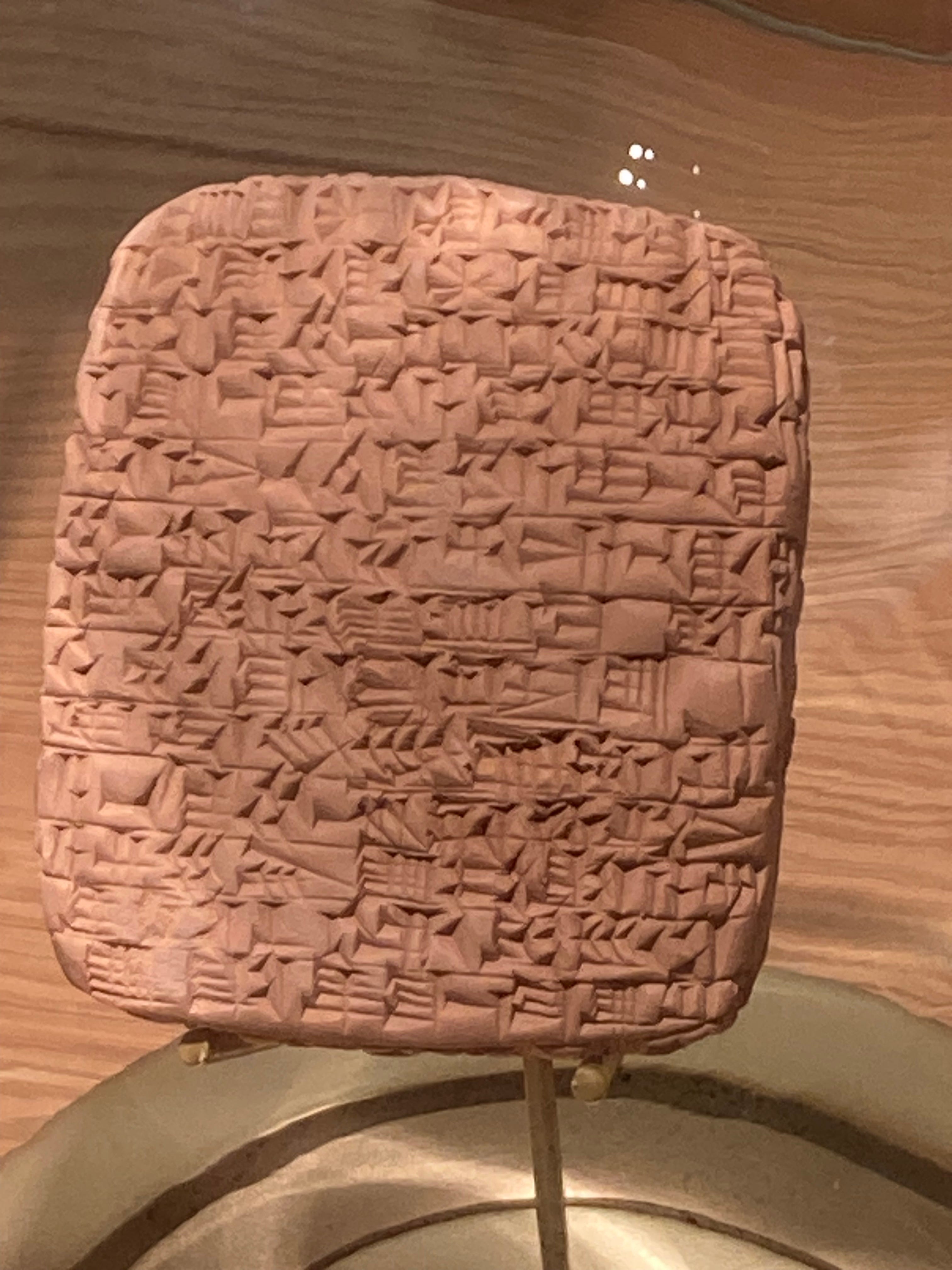
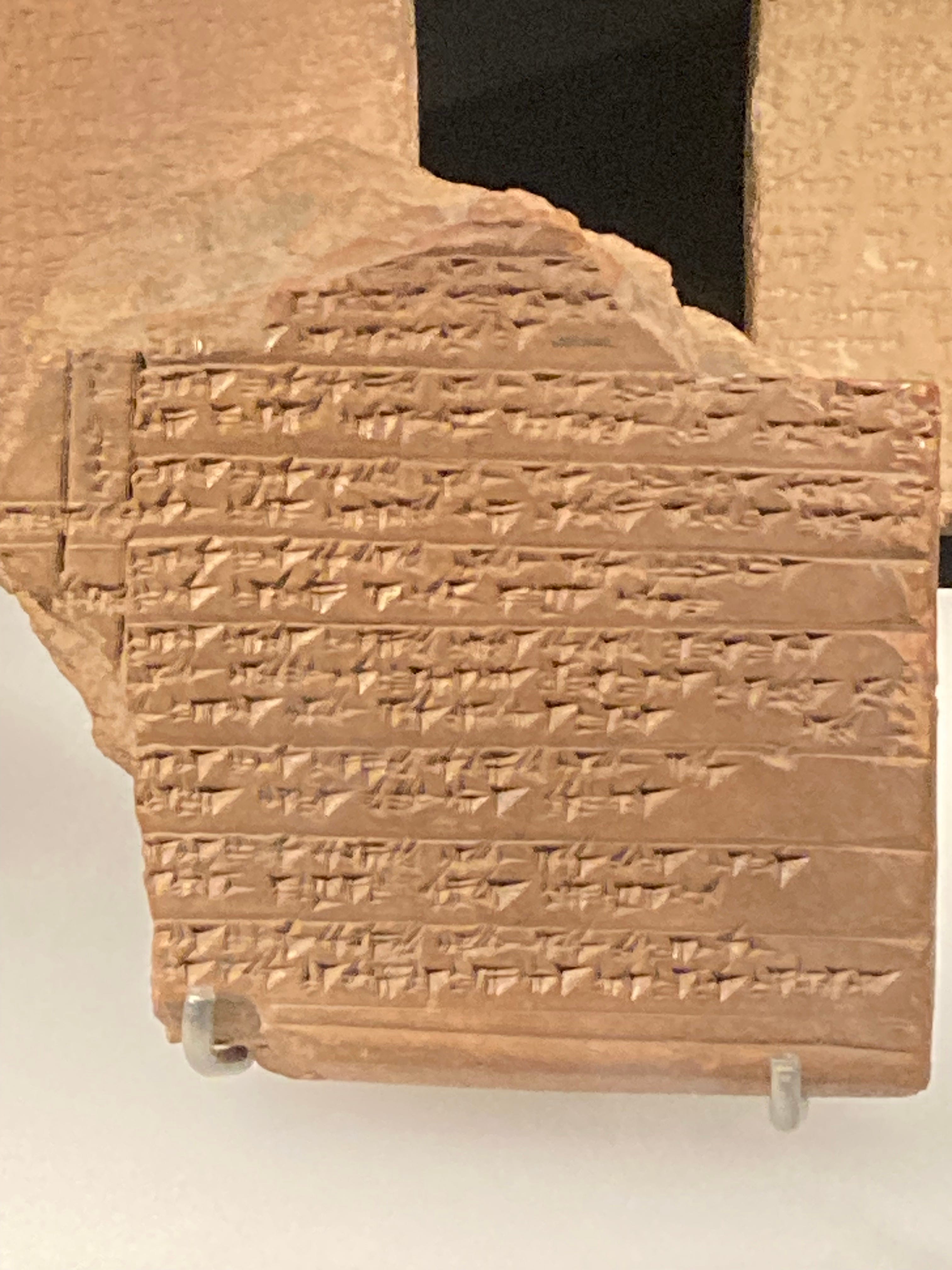


Except of course I’m wrong. None of these subjects should astonish because in fact all of it is incredibly important information. Knowing when eclipses were coming, knowing that they were eclipses and not the ends of days, those words saved lives and enabled those lives to be sustained. Ditto, one imagines, having a record of monetary transactions. Certainly travel advice — where to avoid, where to seek refuge, what to wear along the way.
Preservation of that information, of those words — in a way that outlived teller and hearer, in a way that could travel without either one — seems to me to be a miracle on par with anything the Canon has to offer. Among other things, this too is faith. Early writers wrote without reason to believe not just that enough people would read it — and I know how they felt because I struggle with it daily — but that enough people would be able to read it, the written word being something of a newfangled thing for a while there3. You see why columns were topped not with angels but with scrolls. AKA books4. AKA the written word.


These ancient writers — largely they were slaves — are my progenitors. And yours. We owe them nothing less than civilization, so I’m grateful. But also? I’m humbled. Technology having come a long way, writing is easy for me. I have a laptop instead of a rock. My father once reflected, colorfully, that Einstein would have “given his left nut” for a pocket calculator. Imagine what the people who had to write into rocks would think of the laptop computer.
Laptops make editing not just possible but necessary. If you have to carve your writing into a rock, you’re probably going to do a lot of work in order to have a pretty good sense of how best to say what you have to say before you start. Whereas here in the future, first drafts are relatively quick and painless because it doesn’t matter how messy they are as long as I make word count every day5. Therefore, however, it takes a few hundred or so drafts before it gets good. That’s not a bad thing6, and I am forever extolling to students the virtues of shitty rough drafts. BUT.
But therefore editing is writing. It’s where the most of work is, most of the effort, most of the hours, most of the crises of conscience and faith. And alas, writers — students, amateurs, professionals — are so often so reluctant to do it. All too frequently when I’m reading what I’m thinking is This wasn’t done yet.
So I offer you your paleographic progenitors not as lesson or even inspiration but simply really good news: Your writing isn’t written in stone. So you don’t have to leave it the way it comes out of your brain and/or fingers. Edit. A lot. It’s hard, yes, but only relatively speaking.
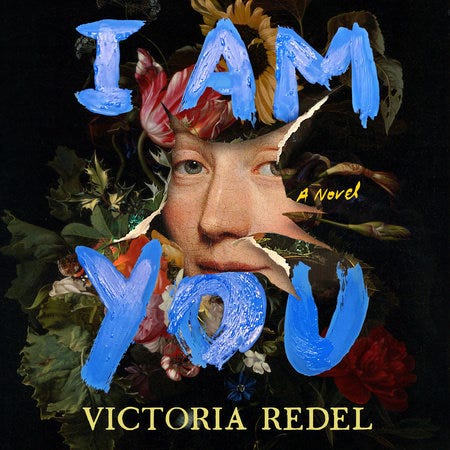
Book rec: One of the remarkable things about traveling in Türkiye is so much of it is so old that you read a book about 17th century Dutch painters and it seems recent. It might be though that Victoria Redel makes it so. Her new one, I Am You, came out last week, and it’ll make you want to travel, time travel, and do art, whatsoever your art may be.
Heretofore “Turkey.” Changed because turkey suggests poultry and/or morons, and who wants those connotations? Also because Turkish is written phonetically. Also because the Turks have a long history of, well, everything but especially renaming (if you are here singing They Might Be Giants, me too sister) and indeed realphabeting (Turkish Alphabet Reform will, I assure you, be a topic for a future missive. Super interesting so stay tuned).
They’ll get their own post. At least.
I’m conflating timelines a little bit, but the point stands.
At least proto-books. Books-ish. Was writing on grass pith easier than writing in stone? Probably. But appreciably?
At least 1000. (YMShouldV)
More on this someday (or, maybe, every day)
Not surprisingly, Laurie, once again, the world, and the word, center on geology! Keep on rocking….and writing.